





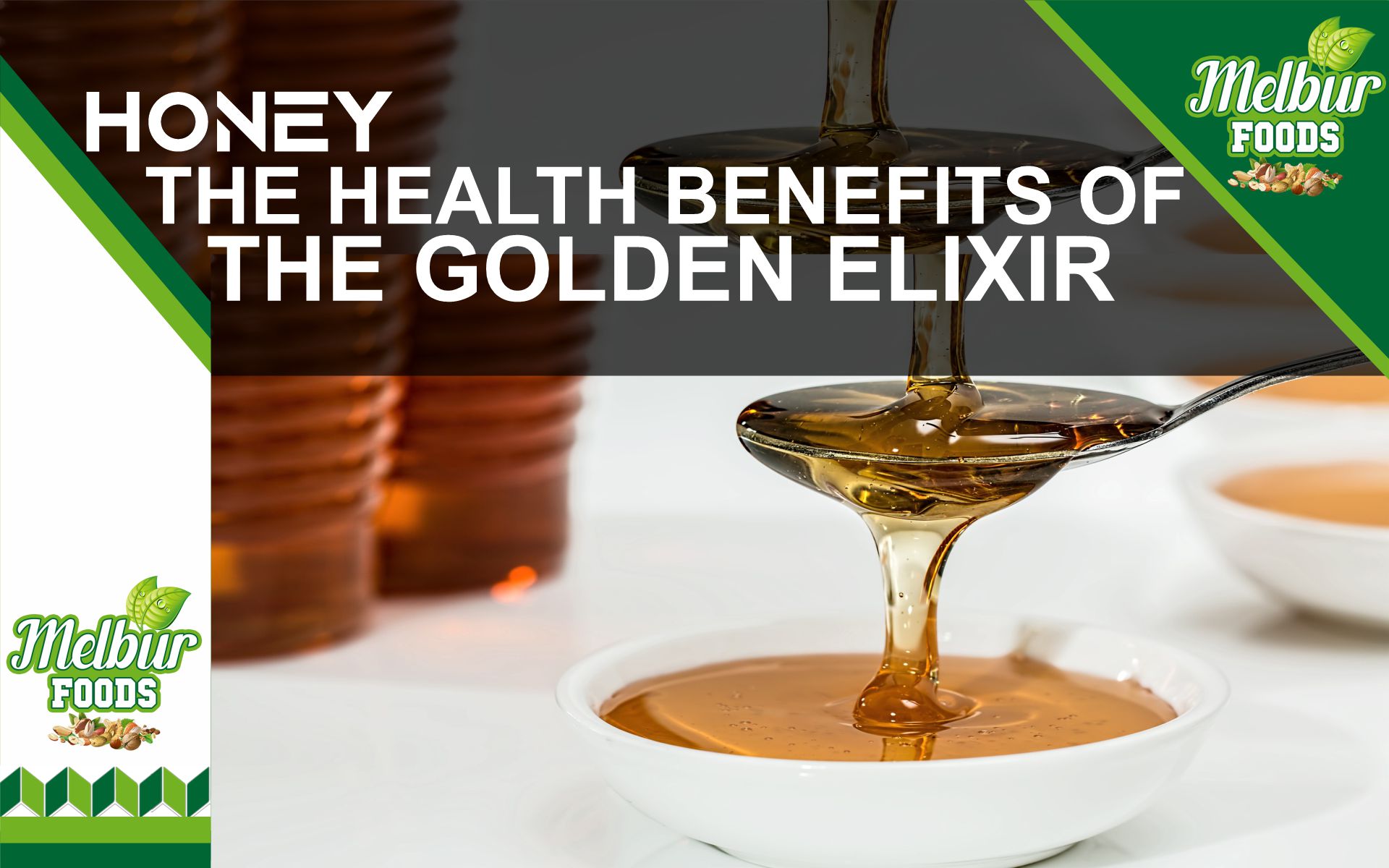
Honey has been cherished for centuries as a natural elixir — admired for its sweetness, medicinal value and versatility in both cooking and wellness. This golden liquid, now a staple ingredient in many Melbur Foods recipes and product formulations, continues to prove why it deserves a permanent place in every household. In this article we explore the science, the benefits and the best ways to use honey in a modern, healthy lifestyle.
The Nature of Honey
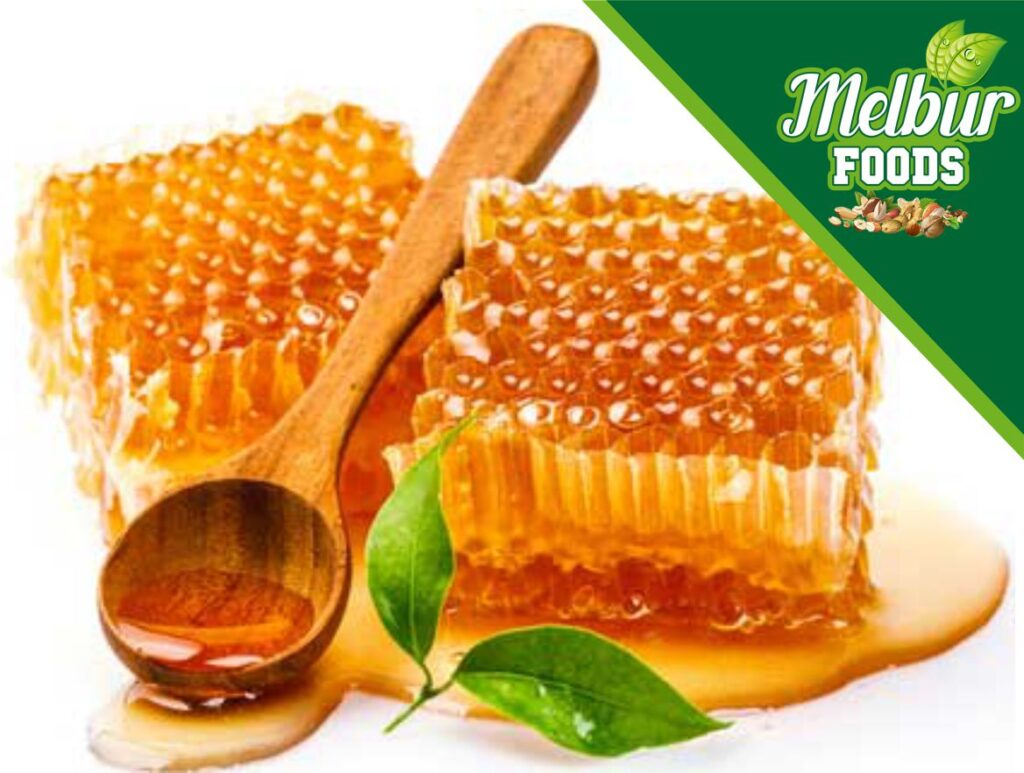
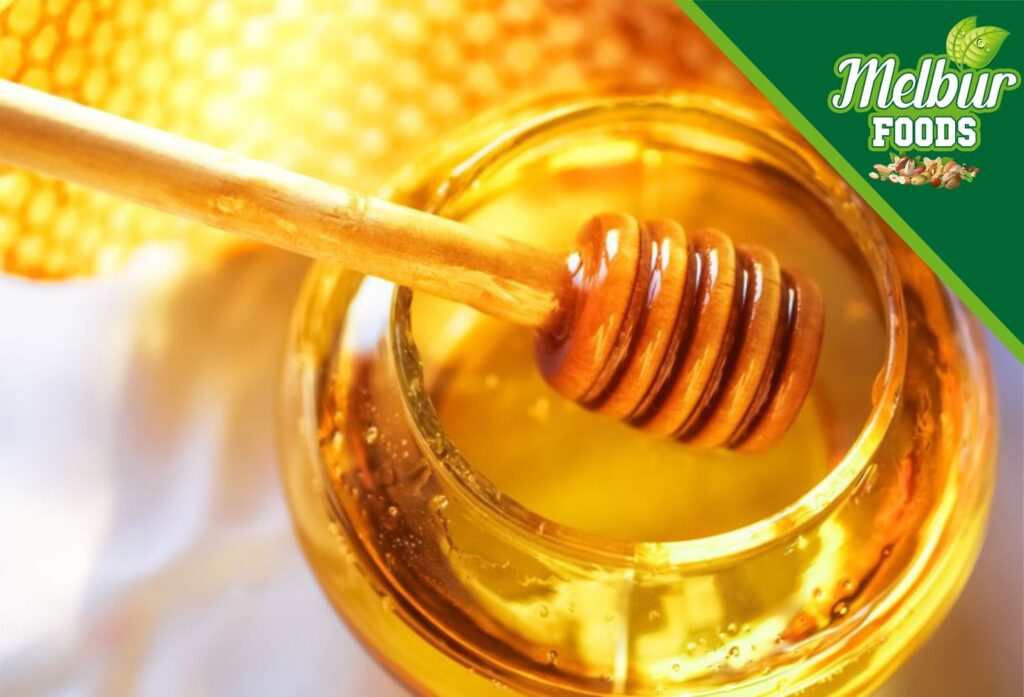
Honey is a natural sweetener created by honey bees from nectar. Bees collect nectar, store it in honeycombs and add enzymes that break down complex sugars into simple, more digestible ones. They then fan their wings to evaporate excess moisture before sealing the honeycomb with wax. The result is a thick, nutrient-rich liquid celebrated worldwide.
Honey mainly contains fructose and glucose, with smaller amounts of vitamins, minerals and antioxidants. Depending on the flowers visited by bees, honey can vary in flavour, colour and nutritional profile — giving rise to varieties such as raw honey, clover honey, eucalyptus honey and more.
If you enjoy wholesome ingredients, explore more natural foods through Melbur Foods and the main Melbur website for recipes, product updates and wellness content.
The Health Benefits of Honey
1. Nutritional Richness
Honey contains trace amounts of vitamin C, B vitamins, potassium, iron and zinc. While not a primary source of nutrients, these small amounts support a balanced diet — especially when paired with nutrient-dense foods like our natural grains and dried fruits available at Melbur Foods Shop.
2. Antioxidant Powerhouse
Honey contains antioxidants such as flavonoids and organic acids. These help neutralize harmful free radicals in the body, lowering oxidative stress and reducing the long-term risk of chronic diseases.
3. Soothing Sore Throats and Coughs
Honey’s thick texture coats the throat, relieving irritation and reducing coughing. Studies have shown honey can be as effective as certain over-the-counter cough syrups — making it a trusted remedy in many Kenyan households.
4. Wound Healing Properties
With natural antimicrobial and antibacterial properties, honey creates an environment that slows bacterial growth. Raw honey, especially Manuka honey, is commonly used to clean minor wounds, burns and skin irritations.
5. Natural Energy Source
The natural sugars in honey provide both quick and sustained energy. Athletes often use honey as a pre-workout carbohydrate source because it fuels endurance without artificial additives.
6. Digestive Health
Honey may help reduce harmful bacteria in the digestive system while supporting the growth of beneficial gut bacteria. Its prebiotic qualities make it a gentle way to support digestion and overall gut health.
7. Immune System Support
Dark honey varieties contain potent antioxidants that support immunity by reducing cell damage and enhancing the body’s natural defense mechanisms.
8. Heart Health
Flavonoids in honey may help improve cholesterol profiles and support healthy blood pressure levels. When enjoyed in moderation, honey can be a heart-friendly addition to your diet.
9. Skin Care
Honey is used in cleansers, masks and lotions due to its ability to retain moisture and fight bacteria. It may help soothe acne, reduce dryness and improve skin glow.
10. Allergy Relief
Some people believe that locally sourced honey may help lessen seasonal allergies by gradually exposing the body to small amounts of local pollen. While the science is still limited, many find it helpful.
Types of Honey and Their Benefits
1. Raw Honey
Unprocessed and unfiltered, raw honey contains the highest level of enzymes, antioxidants and nutrients.
2. Manuka Honey
Known for its high MGO levels, Manuka honey from New Zealand has exceptional antibacterial and healing properties.
3. Buckwheat Honey
Dark and flavourful, it contains some of the highest antioxidant levels among honey varieties.
4. Acacia Honey
Mild, light and high in fructose — ideal for sensitive stomachs.
5. Clover Honey
Widely available, sweet and versatile for daily cooking.
6. Eucalyptus Honey
Aromatic and soothing, especially helpful for respiratory relief.
Using Honey Safely
1. Not Suitable for Infants
Never give honey to children under one year due to the risk of infant botulism.
2. Moderation
Honey is nutrient-rich but calorie-dense. People with diabetes or those watching their calorie intake should consume it mindfully.
3. Quality Matters
Choose pure, raw honey from reputable sources. Avoid overly processed or adulterated varieties. For trusted local suppliers check brands like Alba Nuts and listings on Melbur Foods Shop.
4. Avoid Heating
High heat destroys honey’s beneficial enzymes. Add honey to warm — not boiling — drinks, and avoid prolonged cooking at high temperatures.
Incorporating Honey into Your Diet
1. Teas and Warm Beverages
Add a spoonful for natural sweetness and soothing throat relief.
2. Salad Dressings
Use honey in vinaigrettes, dips and glazes to balance acidity.
3. Baking and Cooking
Replace refined sugar with honey or drizzle it over roasted vegetables for a caramelised finish.
4. Toast and Sandwiches
Spread on whole-grain toast or pair with nut butters for a healthier option.
5. Smoothies
Blend honey into smoothies for energy and a natural flavour boost.
The Bottom Line
Honey remains one of the world’s most treasured natural foods — rich in antioxidants, healing properties and flavour. When used wisely and sourced from trusted suppliers, honey supports overall wellness, digestive health, energy levels and skin care routines.
For more wholesome foods, recipes and natural products, visit Melbur Foods, explore the parent brand at Melbur, and check creative & web solutions that support the brand at Melbur Studios.